Wrought Iron Fencing
Elegant wrought iron fencing that adds timeless beauty and security to your property.
Timeless Elegance Meets Superior Security
Wrought iron fencing represents the pinnacle of classic fence design. At FortiCraft Laredo Fence Builders, we install authentic wrought iron fencing that combines old-world craftsmanship with modern durability. If you want a fence that makes a strong visual statement while providing excellent security, wrought iron delivers beauty and function that few other materials can match.
True wrought iron contains very little carbon, making it malleable and ideal for creating intricate designs. Today's wrought iron fencing is typically made from steel, which is stronger and more consistent than historical wrought iron. The term "wrought iron" now refers to the style rather than the specific material composition. What matters is that you get a fence with the elegant appearance and substantial strength that defines this classic fencing type. Our installations throughout Laredo showcase the versatility and lasting appeal of wrought iron.
Why Choose Wrought Iron Fencing
Wrought iron fencing offers unique benefits that make it worth considering for your property. Here's what sets wrought iron apart from other fence types:
- Unmatched Strength: Iron and steel construction creates one of the strongest fence types available. It resists impact damage and stands up to attempts at forced entry.
- Security with Visibility: The open design allows you to see through the fence while still providing a substantial physical barrier. This combination deters intruders while maintaining sight lines.
- Elegant Appearance: Ornamental details, scrollwork, and finials create an upscale look that enhances property value and curb appeal.
- Long Lifespan: Properly maintained wrought iron fencing can last 50-100 years or more. The initial investment pays off through decades of service.
- Customization Options: Wrought iron can be fabricated into virtually any design, from simple pickets to elaborate custom patterns.
- Low Maintenance: Modern powder-coated finishes resist rust and require minimal upkeep compared to historical wrought iron.
Wrought Iron Styles and Designs
One of wrought iron's greatest strengths is design flexibility. You can choose from classic patterns or create custom designs that reflect your personal style. Here are the most popular wrought iron fencing styles:
Traditional Picket Style
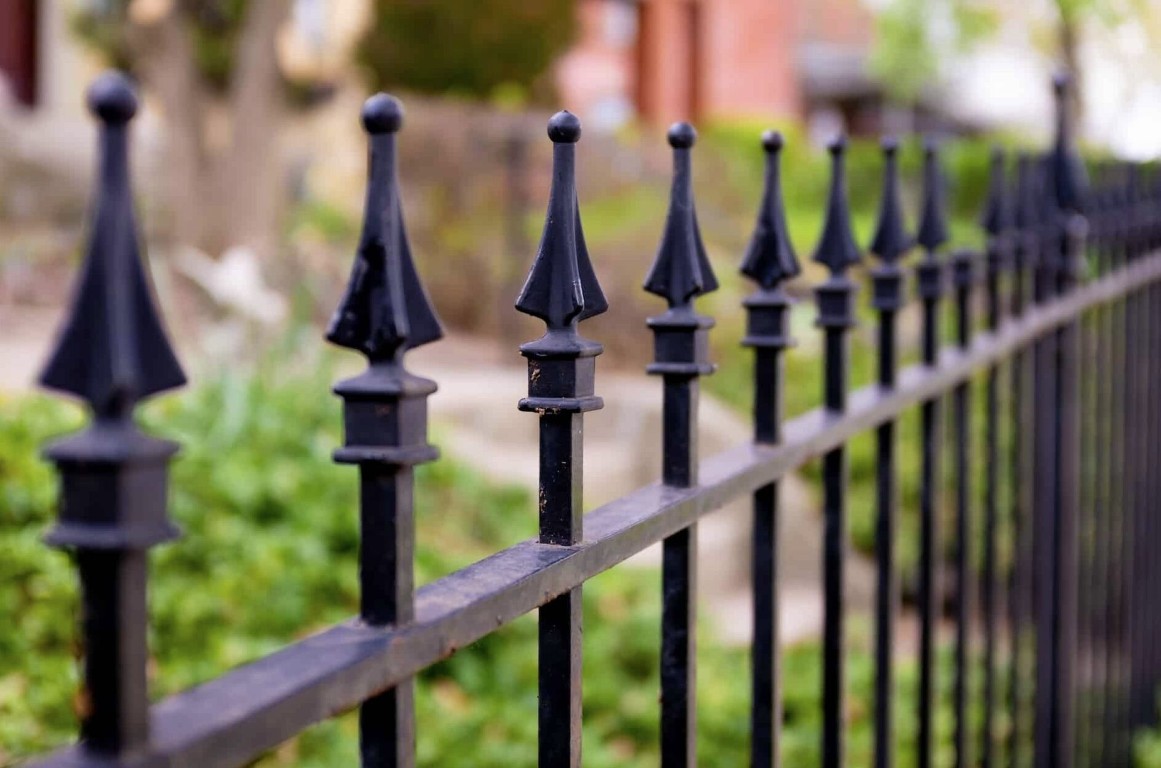
The most common wrought iron design features vertical pickets spaced 4-6 inches apart. Picket tops can be simple spear points, decorative finials, or ornate scrollwork. This style works for both residential and commercial applications. Heights typically range from 4 to 6 feet depending on your needs. The classic picket style balances security with an open, welcoming appearance.
Ornamental Designs
Ornamental wrought iron incorporates decorative elements like scrolls, rings, basket weaves, and custom patterns. These designs add visual interest and make your fence a standout feature of your property. Ornamental fencing is particularly popular for estate homes, commercial buildings, and historic properties. The level of detail can be adjusted to match your budget and aesthetic preferences.
Modern Minimalist
Contemporary wrought iron designs embrace clean lines and simple geometry. Horizontal rail patterns, square pickets, and minimal ornamentation create a modern look that complements contemporary architecture. This style proves that wrought iron works for today's homes, not just traditional designs. The strength and quality remain while the appearance fits current design trends.
Security Benefits of Wrought Iron
Many property owners choose wrought iron specifically for its security advantages. While wood and vinyl fences can be kicked through or cut relatively easily, wrought iron presents a much more substantial barrier.
Physical Strength
The solid metal construction resists impact damage. You can't kick down a wrought iron fence or break through it with simple tools. The welded connections and reinforced posts create a rigid structure. Commercial-grade fencing uses heavier gauge steel for maximum security. This makes wrought iron ideal for businesses, schools, and homes where security is a priority.
Climb Deterrence
Pointed finials on top of pickets make wrought iron difficult and painful to climb. The spacing between pickets eliminates footholds. There's no top rail to grip. These features naturally discourage intruders from attempting to scale the fence. For extra security, you can add anti-climb features like additional spikes or rotating finials.
Visibility Advantage
Unlike privacy fences that create hiding spots, wrought iron's open design maintains visibility. You can see who's approaching your property. Intruders can't hide behind the fence to work on gates or locks unobserved. This visibility also helps with home security systems and cameras. The psychological effect of being visible deters many potential intruders from even attempting entry.
Maintenance and Care
Modern wrought iron fencing requires less maintenance than you might think, especially compared to historical wrought iron. Here's what you need to know about keeping your fence in excellent condition:
Powder-Coated Finishes
Most contemporary wrought iron comes with a powder-coated finish applied at the factory. This coating bonds to the metal through heat and creates a durable protective layer. Powder coating resists chipping, scratching, and rust much better than traditional paint. Quality powder coating can last 15-20 years before needing attention. Black is the most popular color, but you can choose from many colors to match your property.
Rust Prevention
The main enemy of iron and steel fencing is rust. Proper finishing and maintenance prevent rust from becoming a problem. Inspect your fence annually for any chips or scratches in the coating. These exposed metal spots need immediate attention. Clean the area, apply a rust-inhibiting primer, and touch up with matching paint. Catching rust early prevents it from spreading. Well-maintained wrought iron rarely develops significant rust issues.
Regular Cleaning
Wash your wrought iron fence once or twice a year with mild soap and water. This removes dirt, dust, and any corrosive substances. Rinse thoroughly and let it dry completely. If you notice white residue from sprinklers, clean it promptly to prevent mineral buildup. Regular cleaning helps you spot any maintenance needs early and keeps the fence looking its best.
Installation Considerations
Wrought iron fencing requires professional installation to ensure structural integrity and longevity. The weight and rigidity of iron fencing demand specific installation techniques:
Foundation Requirements
Posts must be set in substantial concrete footings. The weight of wrought iron panels puts significant stress on posts. Footings typically go 30-36 inches deep and use reinforcing steel for extra strength. Corner posts and gate posts need even deeper footings. Proper foundation work is critical for preventing lean or sag over time. We don't cut corners on foundation work because that's where most fence failures occur.
Panel Installation
Wrought iron panels attach to posts through welding or heavy-duty brackets. Welded connections provide the strongest attachment but can't be easily disassembled. Bolted brackets allow for future adjustments or repairs. The panels must be level and properly aligned to maintain the fence's appearance and structural integrity. We use specialized equipment to handle the heavy panels safely during installation.
Gate Design and Hardware
Wrought iron gates are heavy and require industrial-grade hinges and hardware. We install heavy-duty hinges designed for the gate's weight. Self-closing mechanisms, magnetic locks, and automatic operators can be integrated for convenience. Gate posts need reinforcement and extra-deep footings to handle the constant stress of opening and closing. Proper gate installation ensures smooth operation for many years.
Applications for Wrought Iron
Wrought iron fencing works for various residential and commercial applications. Common uses include:
- Estate and Luxury Homes: Wrought iron's elegant appearance enhances high-end properties and adds substantial value.
- Commercial Properties: Businesses use wrought iron for professional appearance combined with security.
- Pool Enclosures: Iron fencing meets pool safety codes while looking much better than basic chain-link.
- Garden and Courtyard: Decorative wrought iron defines spaces while maintaining open views and air circulation.
- Security Fencing: Government buildings, schools, and secure facilities rely on wrought iron's strength.
- Historic Properties: Wrought iron matches the character of historic homes and meets preservation guidelines.
Cost and Value
Wrought iron fencing represents a significant investment. It typically costs 2-3 times more than wood fencing and about 50% more than aluminum. However, the longevity and low maintenance make it cost-effective over time. A quality wrought iron fence can last a lifetime with proper care. The security benefits and aesthetic appeal also add considerable value to your property.
Real estate agents consistently report that wrought iron fencing increases property values more than other fence types. Buyers recognize the quality and appreciate the combination of beauty and security. For estate homes and commercial properties, wrought iron is often expected and adds to the overall impression of quality. The investment pays returns through enhanced curb appeal, security, and property value.
When considering the cost, remember that you're not just buying a fence. You're investing in a permanent feature that will serve your property for decades. The per-year cost becomes quite reasonable when spread over 50+ years of service. Compare that to wood fencing that may need replacement every 15-20 years, and wrought iron's value becomes clear.
Frequently Asked Questions
Ready for Timeless Elegance?
Contact us for a free estimate on wrought iron fencing. Transform your property with classic beauty and unmatched security.